

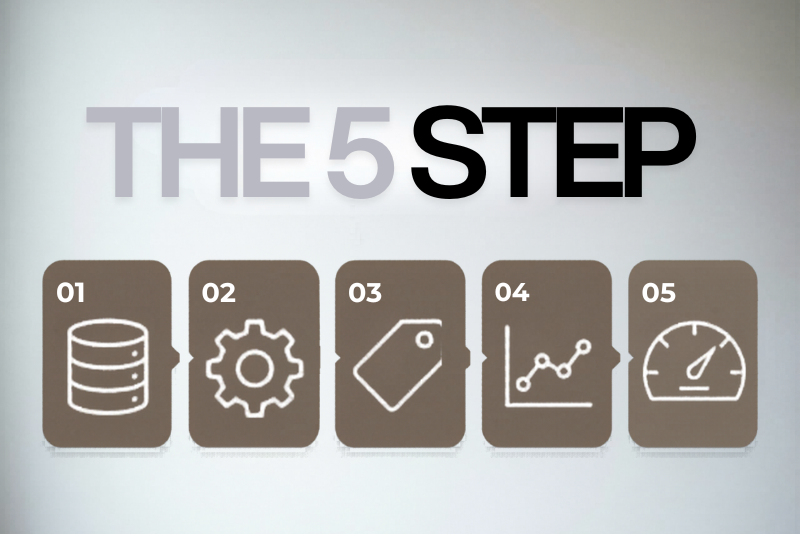
If you have not audited your COGS and Promotion spreadsheet yet, you can still buy them here. If you’ve done so and its starting to look like you’ve missing pieces here and there, do not panic. You can fix it. Here is how.
Fix 1: Calculate Your Promotion Breakeven Honestly
Before you approve any promotion, answer this single question: “How many additional units must I sell to generate the same total gross profit I would have earned without the promotion?”
The formula is simple:
Breakeven Volume Lift (%) = Promotion Discount (%) ÷ (Gross Margin (%) – Promotion Discount (%))
Example: If your gross margin is 30% and you offer a 20% discount:
Breakeven Lift = 20% ÷ (30% – 20%)
Breakeven Lift = 20% ÷ 10%
Breakeven Lift = 200%
You need to sell triple your normal volume just to maintain the same total gross profit. If the promotion does not reliably generate a 200% lift, you are destroying value.
Most promotions do not even come close.
Fix 2: Switch from Price-Off to Value-Add Promotion
A price-off discount directly reduces your net revenue. A value-add promotion—such as a free sample of a new SKU, a branded premium item, or a limited-edition pack—preserves your reference price while still giving the consumer a reason to buy.
The psychological effect is material. Price-based promotions encourage people to buy more but also to value the product less. They become more price sensitive and cost conscious. A value-add promotion does the opposite. It adds perceived value without anchoring the brand to a lower price point.
Fix 3: Reduce Promotion Depth, Not Frequency
Malaysian shoppers are increasingly promotion-driven—28.6% of value sales now come through promotions. But that does not mean you have to offer deep discounts.
The evidence is clear: frequent, deep discounts damage brand equity and long-term profitability. Reducing promotional frequency or depth may become necessary as brands pass through higher input costs.
Instead of running a 30% discount every month, try running a 10-15% discount with less frequent, more strategic timing—around festive seasons like Ramadan, Chinese New Year, or Deepavali, when purchase intent is naturally high and the incremental volume is more likely to be genuine new buyers rather than forward-buying loyalists.
Fix 4: Build a Channel-Specific Pack Architecture
The most effective defense against promotion-driven margin erosion is pack differentiation.
Full-price packs for your core retail channel where your loyal consumers shop.
Trial packs (smaller format, lower absolute price) for new customer acquisition. These can absorb some promotional activity without destroying the margin on your hero SKU.
Bulk packs for value-seekers. These deliver a lower price per unit without requiring a discount—the consumer perceives value, but your net revenue per unit is protected.
When the same SKU is sold at the same price across all channels, there is no place to hide when a retailer demands a discount. A multi-pack architecture creates strategic flexibility.
Fix 5: Track Net Revenue Per Unit, Not Gross Revenue
This is the single discipline that separates surviving brands from dying ones.
Net revenue per unit—broken down by SKU and channel—is the useful number. Start with the gross selling price and subtract every single deduction: trade discounts, promotional allowances, listing fees, slotting fees, co-op advertising allocations, free goods, rebates, and outbound freight.
Once you see your true net revenue per unit, priced by SKU and by channel, you can make real decisions about which promotions to accept and which to walk away from.
